







West Maui Real Estate
What West Maui Real Estate Actually Requires You To Know.
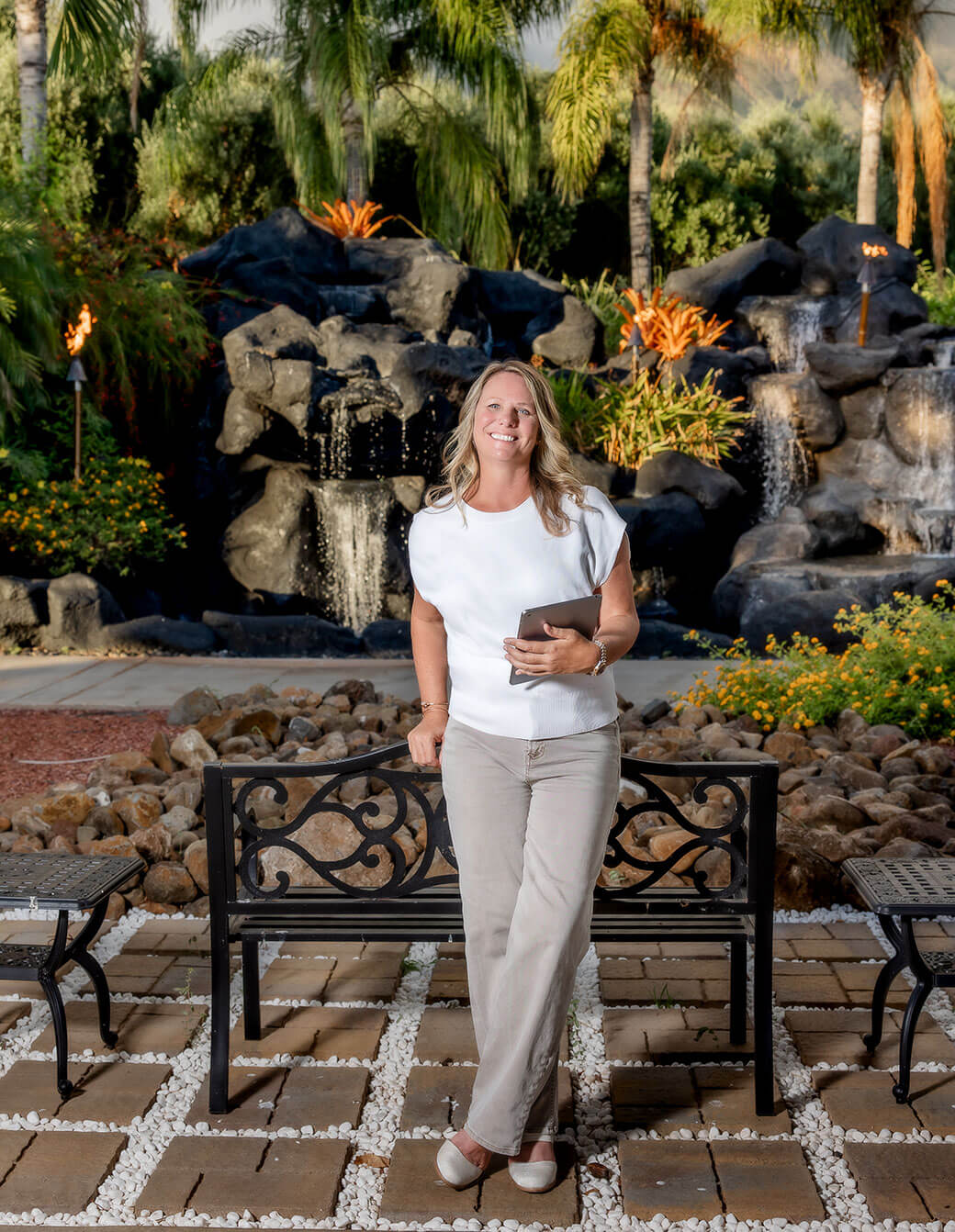
I'm Keri Nicholson, REALTOR® Broker and Global Luxury Specialist with Coldwell Banker Island Properties, living and working in West Maui. I help buyers and sellers understand the ownership structure, zoning, rental rules, association health, insurance, and resale position behind a property, so nothing becomes a surprise after closing.
Meet Keri Nicholson
What Does A Local's Eye Notice That A Listing Won't?
Living in West Maui changes what I notice.
A listing can show the view, square footage, and recent sales. It may not explain how hotel zoning affects use, whether the ownership is fee simple or leasehold, what an association’s reserves could mean, how insurance is changing the carrying cost, or why two similar units may have very different resale positions.
My role is to bring those details into the conversation early. I explain what supports the decision, what deserves closer review, and what could become a problem later.
For sellers, the same knowledge helps me position the property around the questions informed buyers are already asking.


108 Sold
Career Transactions
$102M+
Career Sales Volume
By numbers

Experience That Adds Up
108 closed transactions and more than $102 million in career sales have shown me how Maui properties perform in the real market, what buyers respond to, where deals can get complicated, and what helps move a transaction forward.
Advice Built Around the Full Picture
Your goals shape the strategy. I explain the opportunity, the tradeoffs, and the numbers plainly so you can make a decision based on what is actually right for you.
Two clear paths
Are You Thinking of Selling or Dreaming of Owning Here?
For sellers
Thinking of Selling?
Keri builds the strategy around the property you own, the buyers most likely to value it, and the market conditions shaping the sale.
For buyers
Dreaming of Owning?
Keri helps you look beyond the view and understand zoning, ownership costs, rental rules, association health, and long-term fit.
Communities
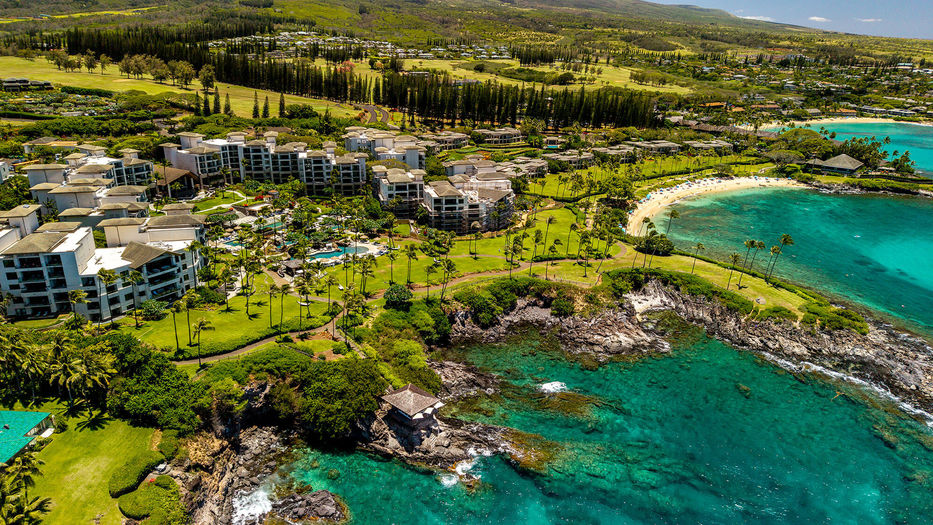
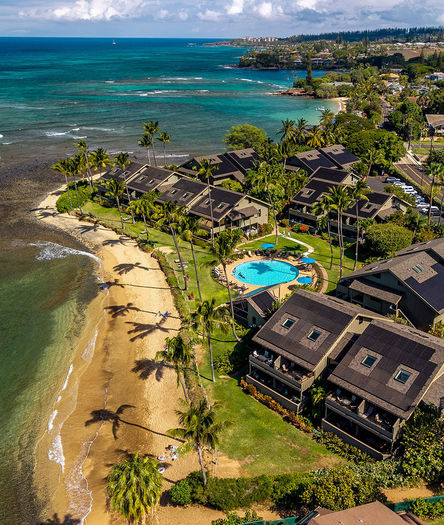
Explore West Maui
Communities
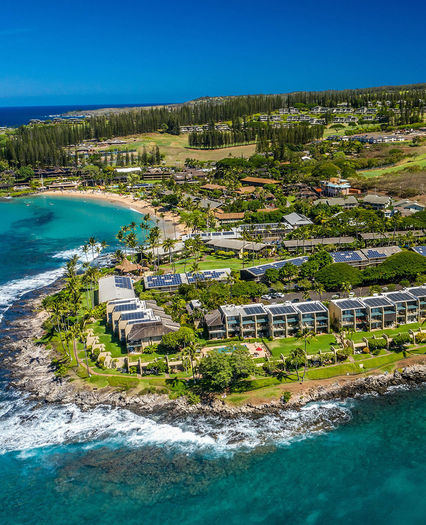
Explore South Maui
Selected work
Which Properties Show What the Market Is Doing?
Keri’s active listings come first because they show the properties she is representing now. Recent sales and documented case studies add the track record behind the advice.

The difference
What Sets Keri Nicholson Apart?
At minimum, the association maintains common elements — grounds, pools, building exteriors, roofs. Some associations stop there, which is fine if it is disclosed and the fees are lower to match. Condo‑tels often bundle more, sometimes cable, wifi, and phone, and occasionally electricity for units with air conditioning. The fee amount matters less than knowing exactly what it buys and what you will still pay for yourself.
It depends on the model. On‑site companies contracted by the association typically run 20 to 35 percent of rental income. The larger affiliated operators like Aston or Outrigger run closer to 40 percent, and were near 50 percent not long ago. Off‑site management is usually around 30 percent. The higher fee often buys higher occupancy, so the right question is what you net, not what you pay.
Plan on about 60 days from offer acceptance. Almost everything can be handled by email and electronic signature, though off‑island buyers usually need an in‑person notary for the final signing. On the neighbor islands, add roughly two days because documents record on Oʻahu.
A reserve study shows how long major items like roofs or pools will last, what they cost to replace, and how much should be set aside. Hawaii law requires condos to keep at least half of the recommended reserves or enough for the next year’s expenses. It’s the main way to judge if the association is financially prepared.
Owners may face special assessments when reserves fall short. These can be anywhere from a few hundred dollars to tens of thousands per unit. It can also mean deferred maintenance, which hurts property value and livability.
You can self‑manage, hire an off‑site company, use an on‑site front desk, or go with AOAO‑contracted management. Each has different costs and levels of involvement. The choice depends on how hands‑on you want to be.
Smaller complexes often average about 60 percent year‑round. Larger affiliated resorts can reach 80 to 90 percent, especially in peak seasons. Your own use of the unit will lower occupancy.
You must pay Hawaii’s General Excise Tax, the Transient Accommodations Tax, and state income tax. Many owners forget the state return, which causes problems at sale. An accountant familiar with Hawaii rules is the safest way to stay compliant.
Fee simple means you own the condo and the land. Leasehold means you own the unit but pay monthly lease rent to a landowner. Lease rents are renegotiated every 5–10 years and can rise sharply.
Leasehold carries risks like rising rents or non‑renewal, but prices are usually lower. Some leaseholds have converted to fee simple over time. With careful review and legal advice, some can still be worthwhile.
Most condo‑tels require about 30 percent down. Interest rates are often a bit higher than standard condos. A Hawaii‑licensed lender is required.
Some condos qualify for FHA with 3 percent down or USDA with no down payment. VA loans are possible but often hard to use because of strict property rules. Short‑term rental properties usually don’t qualify.
Client reviews
What Do Keri’s Clients
Say About Working With Her?


Ready When You Are
Are You Ready for a Straight Answer?
Share the property, plan, or question you are working through.
I will tell you what I see, what needs closer verification, and what I would consider before moving forward. You do not need to have every detail figured out before we speak.