
Buying a Single-Family Home in West Maui: Neighborhoods, Subdivisions & the Process

Buying a house in West Maui is a different transaction than buying a condo — the diligence turns on the land itself, the neighborhood and subdivision you choose shapes your daily life more than any single feature of the house, and the ongoing costs look different. This guide covers the West Maui neighborhoods where single-family homes actually exist, what subdivision and association membership means here, and the house-specific steps from offer to closing. These are the same steps I walk my own buyers through as a REALTOR® Broker and Global Luxury Specialist with Coldwell Banker Island Properties in Kapalua.

Looking at a condo instead? See my separate guide to Buying a Condo in West Maui — the AOAO, leasehold, short-term rental, and financing rules there are their own subject.


How buyer representation works before we tour anything

We sign a written buyer representation agreement before I show you homes. That's the industry standard now, and it's the honest way to work anyway: it states what I'm doing for you, how long it runs, and how I'm compensated, before either of us invests time.

Two things worth understanding up front. Compensation is negotiable — there is no standard rate, and no one may tell you there is. And whether a seller contributes toward your side's compensation is a term of your offer like any other, which means it gets negotiated rather than assumed. I'll walk you through the options and what each one does to your cash-to-close before you sign anything.

What are the West Maui neighborhoods for single-family homes?

West Maui runs along one coastline, but the neighborhoods live very differently — elevation, microclimate, and community character change meaningfully in the span of a few miles. From north to south:

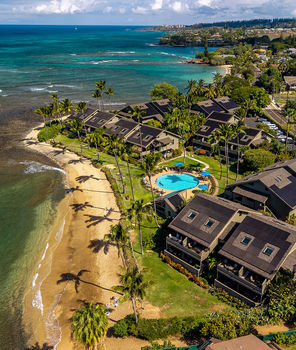
West Maui's northernmost resort community, and its most prestigious address — Kapalua holds the highest price points on the west side, in the company of Wailea and Makena on the south shore. It's built around two championship golf courses, resort amenities, and a collection of distinct residential subdivisions, including Pineapple Hill, Plantation Estates, Honolua Ridge, Mahana Estates, and Kapalua Place. Homes here range from refined single-level residences to estate properties, many with ocean, golf course, or outer-island views. Each subdivision has its own covenants, design guidelines, and fee structure, and they are not interchangeable. This is where I work, and where I've spent years learning which streets catch the trade winds and which sit in the quiet lee of the ridge.

Between Kahana and Kapalua, Napili keeps a lower-key, residential rhythm — a mix of established neighborhood homes and cottages within walking or short driving distance of Napili Bay. For buyers who want a house near some of the west side's most loved beaches without a resort setting, this is often the first neighborhood I show.

The stretch between Kaanapali and Napili is best known for its condominium inventory, but both areas hold pockets of single-family homes in established neighborhoods, generally at more accessible price points than Kapalua or the Kaanapali hillside. Practical, close to daily conveniences, and central to everything on the west side.

South of Honokowai, Kaanapali pairs its famous resort corridor with substantial residential neighborhoods above it — including the hillside and golf-course subdivisions overlooking the coastline. Homes here put you minutes from the beach, golf, dining, and shopping, with elevated lots that often carry ocean and outer-island views.

Lahaina is West Maui's historic heart and once served as the capital of the Hawaiian Kingdom. The August 2023 wildfire profoundly changed the town, and recovery and rebuilding continue with deep community involvement. If you're considering property in or around Lahaina, that conversation deserves current information, careful context, and respect for the community. It's one to have directly with me, not one to reduce to a paragraph on a website.

For current inventory, price ranges, and what's actually selling in any of these neighborhoods, see my West Maui market report — the numbers move constantly, so they live there rather than here.

What does buying in a subdivision actually mean here?

Most planned communities and subdivisions in West Maui — including Kapalua's residential neighborhoods — have a homeowners association, with recorded covenants (CC&Rs), design guidelines, and association fees.

Association fees on houses work differently than condo AOAO fees. A house association typically maintains common areas, private roads, entry features, and community landscaping — not your home itself. Fees vary widely by community, and in resort subdivisions they can also include resort-affiliated benefits. What to review during escrow, the same way you'd review a condo's AOAO documents:

  • The association's financials and reserves — some underfunded house associations exist, and special assessments for private road repaving or common-area work are real.
  • The CC&Rs and design guidelines — these govern what you can build, renovate, park, and, in some communities, whether and how you can rent the home.

  • Any pending assessments or litigation.
  • The association's insurance position and what it does and doesn't cover — this has changed in the last few years and is worth asking directly rather than assuming.

If the home you're buying has an association, I'll get you the full document package during escrow so there are no surprises about fees, rules, or what's coming.

Can I short-term rent a West Maui house?

Assume no until proven otherwise, and never buy on the assumption that you can.

A single-family home in a residential district can't be rented short-term in Maui County just because you own it. Legal short-term use of a house requires a county permit — a Short-Term Rental Home (STRH) permit or a Bed & Breakfast permit — and those permits carry real constraints: they're capped by community plan region, the owner must have held title for a set period before applying, and they are not simply transferred to you at closing. Some subdivisions separately prohibit short-term rental in their CC&Rs regardless of what the County would allow.

Two clarifications, because buyers mix these up constantly. The Bill 9 vacation rental phase-out (Ordinance 5909) applies to apartment-zoned condominium units on the Minatoya List — that's a condo subject, and it's covered in my condo guide and at mauicondorentalrules.com. And long-term rental, generally six months or longer, is a different question with different rules.

If rental income is part of your plan, tell me before we tour. We verify the property's actual permit status with the County Planning Department and read the CC&Rs, in writing, before you write an offer — not after. County rules and permit caps change, so nothing on this page substitutes for that check.

What diligence does a house purchase need that a condo doesn't?

  • A survey. When you buy a home, we get a survey to confirm there are no encroachments — and, if there are, that they're handled to your satisfaction before closing. The land boundaries are yours; you want certainty about where they actually sit.
  • A thorough home inspection. The inspectors I use are painfully detailed, in both their inspections and their reports — exactly what you want. A weak foundation, a leaky roof, or bad plumbing adds up fast and isn't always visible on a walkthrough. If the inspection surfaces issues, we negotiate repairs, credits, or both.
  • A termite inspection, with treatment if necessary. Standard practice in Hawaii, not optional.
  • The wastewater system. Cesspool, septic, or sewer connection. Hawaii law requires cesspools statewide to be upgraded, converted, or connected to sewer, and a renovation that adds bedrooms or significantly alters plumbing can trigger the upgrade well before any statewide deadline. Conversion is a serious number, not a line item. Confirm what the property has, in writing, and price the eventual work into your offer.
  • Insurance, early. Get quotes during your contingency period, not after closing. Hawaii carriers have repriced risk since 2023; hurricane coverage is typically a separate policy from your standard homeowner's policy, and flood is separate again. On some properties, insurance is now the line item that changes whether the purchase works.
  • Solar and other assumed agreements. If the home has leased or PPA-financed solar, that agreement doesn't vanish at closing — you'll likely be asked to assume it, and the terms vary widely. Get the contract during escrow.
  • Title search through escrow to confirm there are no liens and you receive clear title.
  • Contingencies written into your offer — protective terms that give you a way out of the deal, and protect your deposit, if something isn't right.

What Hawaii-specific conditions matter when buying a house?

More than a condo purchase, a house purchase turns on the land itself:

  • Flood zones, tsunami evacuation zones, and lava zones — check the designations before you write the offer; they affect insurance and lending.
  • Sea level rise exposure — Hawaii law requires sellers to disclose whether any part of a residential property sits in the State's 3.2-foot Sea Level Rise Exposure Area, and it appears on the standard Seller's Real Property Disclosure Statement. For shoreline and near-shore West Maui property, read that disclosure carefully — it touches insurance, lending, future permitting, and resale.
  • Wildfire exposure — defensible space, vegetation management, and fire-resistant construction have moved from good practice to an underwriting question. Ask what the property has and what the association or neighborhood does.
  • View corridors — what you see today isn't guaranteed tomorrow unless you understand what can be built between you and the water.
  • Sun, wind, and microclimate — West Maui's weather varies meaningfully across short distances. Two homes a half mile apart can live very differently: one catches the trade winds all afternoon, the other sits in still heat. This is where 20 years of local knowledge pays off.
  • Leasehold vs. fee simple — most West Maui houses are fee simple, but leasehold exists here too. Confirm which you're buying; they are not the same investment. (Full explanation in the condo guide, where leasehold is more common.)

How does financing and closing work on a West Maui house?


The fundamentals match any West Maui purchase: work with a Hawaii-licensed lender, get pre-approved before you tour (most sellers require proof of qualification before opening escrow), and plan for roughly 60 days from accepted offer to closing on a financed purchase. House financing is generally more straightforward than condo financing — no condo-tel down-payment premiums, no building-eligibility questions — though luxury price points often mean jumbo loan programs, which have their own underwriting standards.

Build your monthly number with insurance and property taxes in it from the start, not as an afterthought. On West Maui property those two line items can move the real cost of ownership more than a quarter-point on your rate.

Current rates, payment tables, and my preferred West Maui lenders are on the Financing & Lenders page.


What happens after closing?

File for your homeowner's exemption. If the home will be your primary residence, filing the exemption with Maui County puts you in the owner-occupied property tax classification — meaningfully lower rates than non-owner-occupied or short-term rental classifications. Rates and classifications are set by the County annually, so confirm the current schedule and filing deadline with the Real Property Assessment Division. It's a simple filing that owners routinely forget, and it's one of the things I follow up on with my buyers after the sale, along with an annual check-in on your neighborhood's market and your property's position in it.

Key takeaways

  • The neighborhood decision shapes your life here more than any feature of the house — and West Maui's neighborhoods, from Kapalua's estate subdivisions to Napili's beach-town streets, live very differently.
  • We sign a written buyer representation agreement before touring, and compensation is negotiable and agreed in writing on both sides of the deal.
  • Don't buy a house expecting to rent it short-term. Legal short-term use needs a county permit that is capped, conditioned, and not automatically yours at closing — verify before you offer.
  • Subdivision association fees on houses cover common areas and roads, not your home — review the financials, CC&Rs, and design guidelines during escrow like you would a condo's AOAO documents.
  • The house-specific diligence list: survey and encroachments, home inspection, termite inspection, wastewater system, insurance quotes, assumed solar agreements, clear title, and protective contingencies.
  • Land conditions — flood and lava zones, sea level rise exposure, wildfire exposure, view corridors, microclimate — deserve as much attention as the structure.
  • File your homeowner's exemption after closing if it's your primary residence. The difference in property tax classification is significant.

Separator line

Frequently Asked Questions

It depends on how you'll live here. Kapalua offers estate subdivisions and resort amenities at the west side's highest price points; Kaanapali's hillside neighborhoods put you above the resort corridor with ocean views; Napili keeps a quieter beach-town character; Kahana and Honokowai hold established neighborhoods at more accessible prices. Lahaina is its own conversation, and one I'd rather have with you directly.

Generally not without a county permit. Legal short-term rental of a house in Maui County requires a Short-Term Rental Home or Bed & Breakfast permit, and those are capped by region, carry ownership-duration conditions, and don't automatically transfer with a sale. Subdivision CC&Rs may prohibit it separately. Verify a specific property's permit status with the Maui County Planning Department before writing an offer.

The Bill 9 phase-out (Ordinance 5909) applies to apartment-zoned condominium units on the Minatoya List, not to single-family homes in residential districts. House short-term rental is governed by the county permit rules instead. See my condo guide for the Bill 9 picture.

Many do. Most planned communities and subdivisions, including Kapalua's residential neighborhoods, have a homeowners association covering common areas, private roads, and landscaping — not your home itself.

Yes. Standard practice on a home purchase is a survey to confirm there are no encroachments, resolved before closing if any are found.

Most are fee simple, but leasehold exists in West Maui too. Confirm which you're buying before writing an offer.

Hawaii law requires cesspools statewide to be upgraded, converted to septic, or connected to sewer, and adding bedrooms or significantly altering plumbing can trigger the upgrade sooner. Conversion is expensive. Confirm what the property has during escrow and factor it into your offer.

It's harder and more expensive than it was, and it deserves attention early. Hawaii carriers repriced risk after 2023, hurricane coverage is normally a separate policy, and flood is separate again. Get quotes during your contingency period rather than assuming a number.

Yes — a written buyer representation agreement, which sets out what I'm doing for you, for how long, and how I'm compensated. Compensation is negotiable, and whether a seller contributes toward it is a term we negotiate in your offer.

A house gives you land, privacy, and no shared walls — with full maintenance responsibility and, at comparable locations, typically a higher entry price. A condo gives you lock-and-leave convenience and, in some buildings, rental potential — with AOAO fees, shared decisions, and zoning questions of its own. They're different transactions; see my Condo Buying Guide for the other side.

Ready When You Are

Are You Ready For A Straight Answer?

Share the property, plan, or question you are working through.

I will tell you what I see, what needs closer verification, and what I would consider before moving forward. You do not need to have every detail figured out before we speak.

Book A CONSULT
Call 808-250-1163
Keri Nicholson